
Card Networks and Payment Rails

What actually happens when a card is tapped

Follow a card payment from the terminal through the network, the issuer, and settlement, and see where the money waits along the way.

Close-up of a customer's hand tapping a contactless bank card against a payment terminal on a café counter, with a paper receipt and a ceramic cup nearby

How Money Moves Around the World

Five payment rails do most of the work globally, and each one fails differently when it crosses a border.

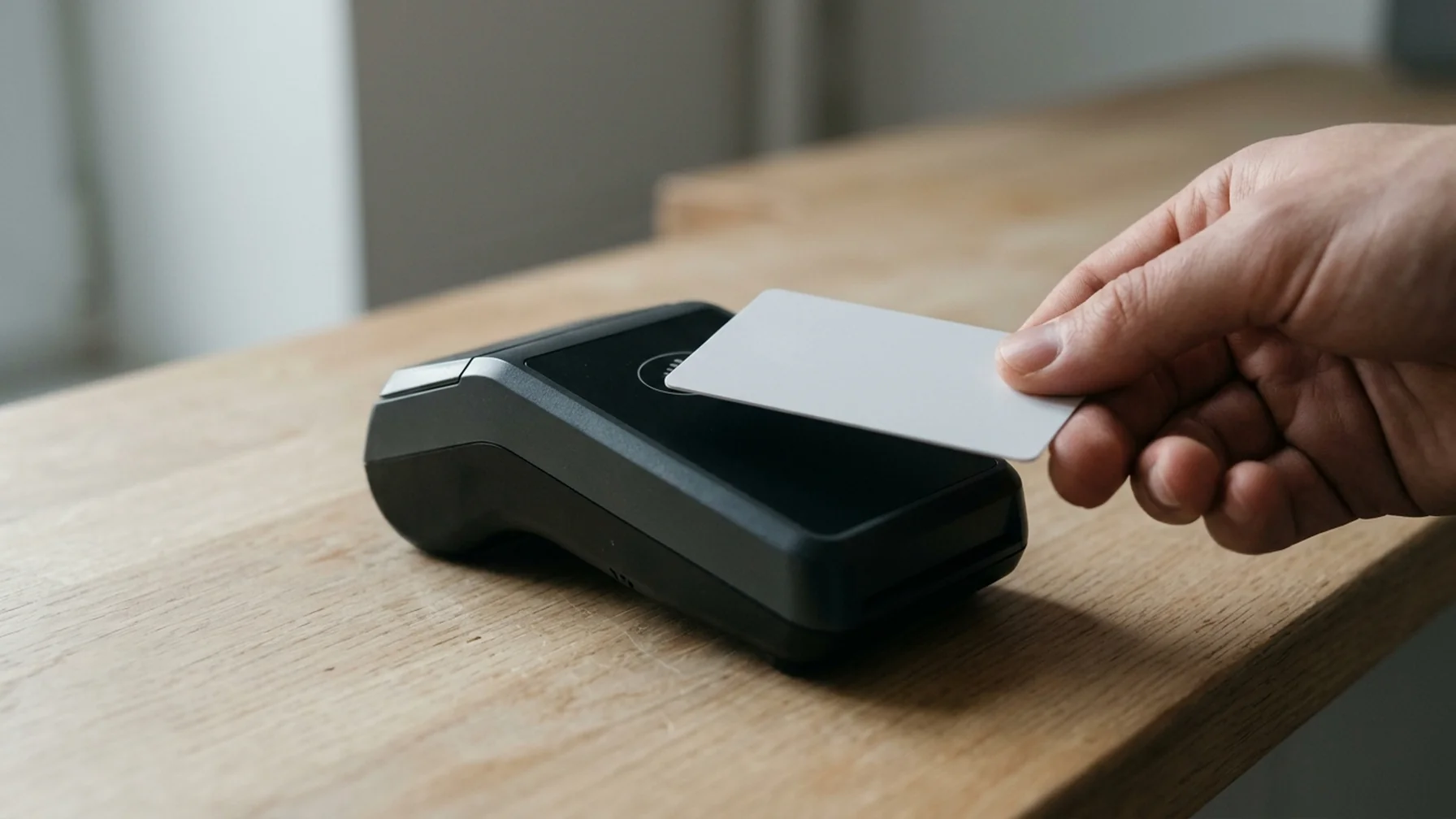
Close-up of a payment terminal on a counter, a card being tapped, soft daylight from a nearby window

Card Networks and Payment Rails

Visa and Mastercard move authorization messages between acquirers and issuers in seconds, but settlement happens later. That gap explains chargebacks, holds, and why a declined card often has nothing to do with your balance.

Read about card networks


A person checking a banking app on a phone at a kitchen table, morning light across the surface

Bank Transfers and Real-Time Rails

Systems like FedNow, SEPA Instant, and UPI settle in seconds, but each has its own cutoffs, message formats, and limits. Knowing which rail a transfer uses tells you whether funds arrive in a minute or on the next business day.

Read about real-time transfers
A desk with a world map, a printed transfer form, and a pen, lit by afternoon sun

Cross-Border Payments, Fees, and Settlement

A payment that crosses a border may pass through correspondent banks, currency conversion, and sanctions screening before it lands. Each hop adds a fee and a delay, and the exchange rate applied is often set by an intermediary rather than the sender's bank.

Read about cross-border fees

Latest from the Blog